最近、SNSでじわじわと話題になっている「さす九」という言葉をご存じでしょうか。
ネットスラングで「さすが九州」の略なのですが、今のところ、あまりポジティブな意味では使われていないようです。
九州には昔から「九州男児」という言葉があります。
男らしい、勇ましい、頼りがいがある。
そんな九州の男性像を表す言葉です。
その一方で、「男はこうあるべき」「女はこうするもの」といった昔ながらの価値観が残っている場面もあり、そうした九州ならではとされる風習や出来事に対して、
「さすが九州……」
と皮肉を込めて使われるのが「さす九」です。
とはいえ、九州は広いです。
福岡、佐賀、長崎、大分、鹿児島、宮崎で違うでしょうし、同じ宮崎でも地域や家庭、世代によって全然違います。
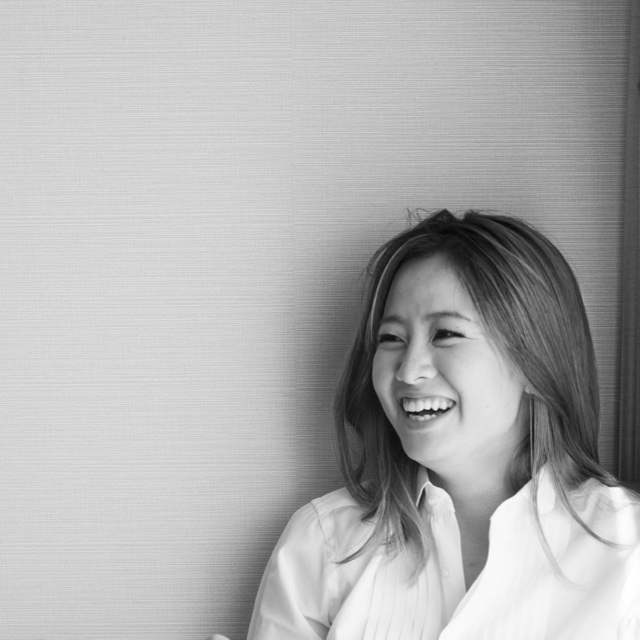
なので、ここからは九州代表としてではなく、宮崎で生まれ育った一人の「九州女児」の話として、ゆるく読んでいただければと思います。
まあまあ立派な九州女児です
私は宮崎生まれ、宮崎育ち。
一度福岡で暮らした後、宮崎へ戻り、今もここで働いています。
フリーランスとして働いてきた期間が長いこともあり、20代の頃から仕事関係の飲み会や集まりに一人で参加することもありました。
そんな中で、ときどき遭遇してきたのが、
「あ、これは女性がやる流れなんだ」
という空気です。
同じ立場で参加していても、女性がお酒を注ぐ。
料理が届けば、なんとなく女性が取り分ける。
親戚が集まれば、女性たちがお茶を出し始める。
誰かに「やって」と言われたわけでもないのに、気がつけばそうなっている。
不思議なものです。
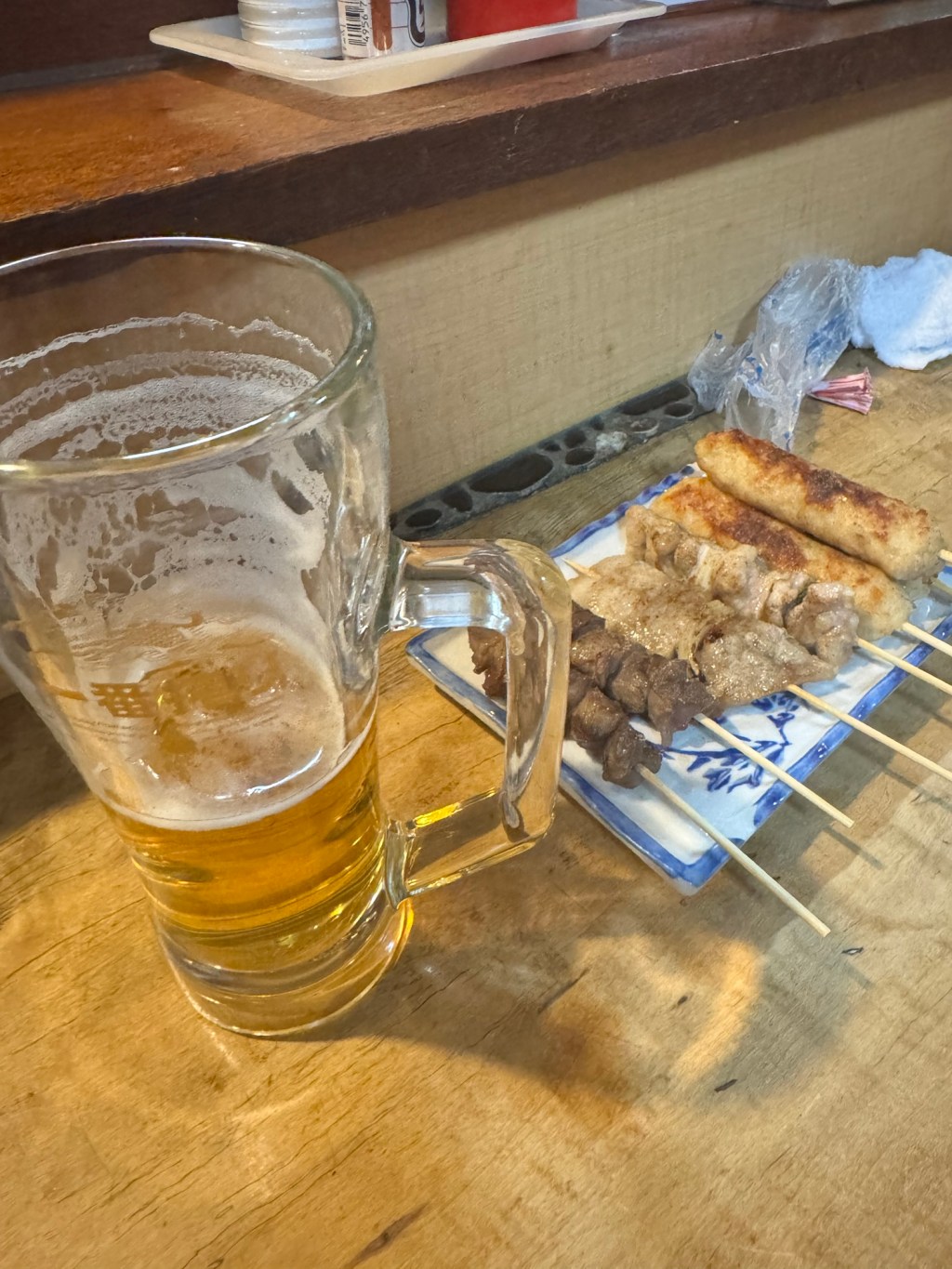
中でも印象に残っているのが、仕事関係の飲み会でのこと。
男性たちが飲んでいた焼酎のお湯割りセットが、なぜか私の目の前に置かれました。
ちなみに、私は焼酎を飲んでいません。
さすがに、
「え、私?」
と目を見開きました。
とはいえ、そこで怒るわけでもなく。
近くにいた気心の知れた年上の男性クライアントの前へ、
スーッ。
そのままスライドさせました(笑)。
親戚の集まりでお茶を出すときも、今では、
「私は今、徳を積んでいる」
と思うことにしています。
そして、人より多めにお茶を飲みます。
お菓子も持って帰ります(笑)。
こういう経験を重ねながら、私は全部を真正面から受け止めるのではなく、笑いに変えたり、さらっとかわしたり、自分なりにバランスを取る方法を覚えてきたような気がします。
それもある意味、九州で身につけたたくましさなのかもしれません。
もちろん、「女性だからやるのが当たり前」と言われれば、今でも「ん?」と思います。
ただ、女性と男性で得意なことが違ったり、その場にいる人同士で自然に役割が生まれたりすること自体を、私はすべて悪いことだとは思っていません。
それが性別だけで決められたり、本人の意思とは関係なく「当然」とされてしまったりすると、少し窮屈になる。
そのくらいの距離感で考えています。
そして、次の世代では、そうした窮屈さが少しずつ減っていけばいいなと思っています。
場所が変われば、「当たり前」も変わる
以前、東京で働く方々とご一緒したとき、少し驚いたことがあります。
年齢や男女にあまり関係なく、同じ仕事をする人として自然に接している姿が印象的だったのです。
そのとき、
「あ、こういう感じなんだ」
と思ったのを覚えています。
もちろん、東京にもいろいろな人がいますし、九州にも年齢や性別を気にせず接する人はたくさんいます。
「東京はこう」「九州はこう」と、きれいに分けられるほど単純な話ではありません。
ただ、違う土地の人たちと接したことで、自分がそれまで「まあ、こういうものだよね」と思っていたことが、どこでも同じではないことに気づきました。
自分の当たり前は、誰かの当たり前ではない。
それは結構おもしろい発見でした。
そもそも、本当に九州だけ?
だからこそ、「さす九」という言葉を見ていると、一つ気になることがあります。
これ、本当に九州だけなのでしょうか?
親戚が集まれば女性がお茶を出す。
「男はこう」「女はこう」「若い人はこう」といった昔ながらの考え方がある。
こういう文化って、日本のほかの地域にもありそうな気がします。
もしかすると「九州だから」というだけではなく、地域や世代、それぞれの家庭やコミュニティーの文化など、いろいろなものが重なっているのかもしれません。
一方で、「さす九」という言葉自体を、九州への偏見につながるのではないかと感じる人がいるのも分かります。
私自身、九州で生まれ育っているからこそ、
「九州の男性はみんなこうです」
とは、とても言えません。
むしろ、そんなに単純だったら話は早いのですが(笑)。
結局のところ、人によります(笑)
仕事関係の飲み会で、ちょっと困るようなことを言われたときに、さりげなく間に入って助けてくれたのも九州出身の男性でした。
私がお酌をしようとすると、
「いいよ、いいよ」
と代わりに注いでくれたり、自分の分は自分でつくったり。
料理が届けば、男女関係なく近くにいる人が取り分ける。
そんな場面にも、もちろんたくさん出会ってきました。
同じ九州でも、「女性がやるもの」という空気が残っている場所もあれば、「できる人がやればいいじゃん」という人もいます。
昔ながらの価値観に「それはちょっと……」と思うこともあるけれど、その一方で、さりげない気遣いに助けられることもあります。
そして九州では、
「九州男児、結局は女性の手のひらで転がされている」
なんて冗談を聞くこともあります。
男が強いのか、女が強いのか。
もはや、よく分かりません(笑)。
結局、「九州男児」「九州女児」とひとくくりにできるほど、人間は単純ではないのでしょう。
昔ながらの考えを持つ人もいれば、そんなことをまったく気にしない人もいる。
「もう〜!」と思うこともあれば、「ありがたいな」と思うこともある。
結局のところ、人によります(笑)。
ネガティブな「さす九」だけじゃなくて
SNSでは、どうしてもインパクトのある話ほど広がります。
「さす九」という言葉も、九州のネガティブな部分を表す言葉として知られるようになりました。
確かに、時代に合わせて変わっていった方がいい習慣や価値観はあると思います。
次の世代が、性別や年齢だけで嫌な思いをすることが少なくなれば、それが一番です。
でも、それだけで九州という場所が語られてしまうのは、ここで生まれ育った人間としては少し寂しくもあります。
九州は、自然豊かで、おいしいものもたくさんあります。
人との距離が近くて、おせっかいなくらい世話を焼いてくれる人もいます。
少し昔ながらだけれど、なんだかんだ人情のある人もいます。
せっかく「さす九」という言葉がこれだけ知られるようになったのなら、いつか違う意味でも使われたらおもしろいなと思います。
「こんないいところがあるの? さすが九州!」
そんな「さす九」なら、大歓迎です。
そして最後に、私はちょっと気になっています。
あなたの国や地域にも、“さす九”はありますか?
「男はこうするもの」
「女はこうするもの」
「若い人はこうするもの」
あるいは、地元の人にとっては当たり前なのに、外から来た人には「え、なんで?」と思われる習慣。
九州だけだと思っていたら、実は世界中にそれぞれの“さす九”があったりして……(笑)。
あなたの住んでいる場所には、どんな「昔からこうだから」が残っていますか?
世界中の“さす九”を集めてみたら、九州だけが特別なのか、それとも人間はどこに住んでいても案外似たようなものなのか。
ちょっと見てみたい気もします(笑)。
Raised on “Sasuku” — and Still Going Strong
Recently, I’ve been seeing the word “Sasuku” (さす九) more and more on Japanese social media.
It’s Japanese internet slang, short for sasuga Kyushu — literally, “As expected of Kyushu,” or more naturally, “That’s so Kyushu.”
But these days, it’s usually not meant as a compliment.
To understand the joke, you first need to know a little about the traditional image of men from Kyushu.
In Japan, there is an old expression, “Kyushu Danji” (九州男児), literally meaning “Kyushu man.” Traditionally, the term has been associated with a certain kind of masculinity: strong, brave, dependable, and sometimes a little stubborn.
At the same time, Kyushu is sometimes stereotyped as a place where traditional gender roles remain stronger than in other parts of Japan.
Ideas like:
“Men should behave like men.”
“Women should take care of the men.”
“Women should handle the serving.”
So when someone posts a story online about an old-fashioned gender expectation in Kyushu, people may sarcastically comment:
“Sasuga Kyushu…” — “Well, that’s Kyushu for you…”
And that became Sasuku.
That said, Kyushu is a big place.
Fukuoka, Saga, Nagasaki, Oita, Kagoshima, and Miyazaki all have their own local cultures. Even within Miyazaki, customs can vary depending on the town, family, community, and generation.
So I’m definitely not claiming to represent all of Kyushu.
This is simply the story of one woman born and raised in Miyazaki — a reasonably qualified “Kyushu girl,” if you will.
I’m a Pretty Legit Kyushu Girl
I was born and raised in Miyazaki.
I lived in Fukuoka for a while, then moved back to Miyazaki, where I still live and work today.
I’ve also spent much of my career working freelance, which meant that even in my twenties, I often attended work dinners and drinking parties on my own.
And every now and then, I would suddenly realize:
“Oh. I guess this is the woman’s job.”
Here, a little Japanese cultural context might help.
At traditional work dinners and drinking parties in Japan, there has long been a custom of pouring drinks for other people rather than simply filling your own glass. It can be a way of showing hospitality and attentiveness.
The problem is that in some groups — especially more traditional ones — women may be expected to notice an empty glass and refill it for the men.
Nobody necessarily tells you:
“Hey, you’re a woman. Pour my drink.”
It’s much more subtle than that.
You’re simply expected to notice.
Food arrives at the table, and somehow a woman starts dividing it onto everyone’s individual plates.
Someone’s glass gets low, and somehow a woman reaches for the bottle.
Relatives gather at someone’s house, and before you know it, the women are in the kitchen making tea for everyone.
Nobody officially assigned these jobs.
And yet…
somehow, everyone seems to know who is expected to do them.
Funny how that works.
One experience in particular has stayed with me.
I was at a work-related drinking party where several of the men were drinking shochu, a distilled Japanese spirit that is especially popular in Kyushu.
In Miyazaki, one common way to drink shochu is oyuwari — mixed with hot water.
To make it at the table, you might have a bottle of shochu, a container of hot water, glasses, and everything else you need arranged together.
At some point during the evening, that whole setup was placed directly in front of me.
Now, to someone unfamiliar with Japanese drinking culture, this might sound completely meaningless.
Someone put some drinks in front of you.
So what?
But I immediately understood the unspoken message:
“You can make the drinks for the men.”
There was just one small problem.
I wasn’t drinking shochu.
So I looked at the setup.
Then I looked around the table.
“Wait… me?”
I didn’t get angry or start an argument.
Instead, there was an older male client sitting nearby whom I knew well.
So I quietly pushed the entire shochu setup across the table toward him.
Sliiiide.
There you go.
Your shochu, your responsibility.(笑)
Family gatherings can be similar.
In many Japanese families, especially among older generations, when relatives come over, women may naturally start preparing and serving tea to the guests.
These days, whenever I find myself doing it, I’ve developed my own coping strategy.
I tell myself:
“I am earning good karma right now.”
Then I drink more tea than everyone else.
And I take some of the snacks home with me.(笑)
Fair trade, I think.
After enough experiences like these, I’ve learned that I don’t have to confront every little thing head-on.
Sometimes I laugh.
Sometimes I quietly dodge the expectation.
Sometimes I just do it and reward myself with extra snacks.
I suppose I’ve found my own way of navigating it.
Maybe that kind of resilience is something Kyushu taught me too.
Of course, if someone explicitly tells me,
“You should do it because you’re a woman,”
my reaction is still:
“…Excuse me?”
But I also don’t think there’s anything wrong with people naturally taking on different roles based on what they’re good at or what needs to be done.
For me, the uncomfortable part begins when those roles are decided purely by gender — when nobody asks what you want to do because the answer has already been decided for you.
That’s more or less where I stand.
And I hope the next generation has to deal with a little less of that pressure.
When You Change Places, “Normal” Changes Too
I remember spending time with people who worked in Tokyo and being slightly surprised by something.
They seemed to interact with one another simply as people doing the same job, without paying as much attention to age or gender.
I remember thinking:
“Oh. So this is what it can be like.”
Of course, I’m not saying Tokyo is some magical land of perfect equality.
It isn’t.
And there are plenty of people in Kyushu who don’t care about traditional gender roles at all.
It’s not as simple as:
“Tokyo is progressive.”
“Kyushu is old-fashioned.”
Real life is never that convenient.
But meeting people from somewhere else made me realize that some things I had accepted as:
“Well, that’s just how it is.”
weren’t necessarily “just how it is” everywhere.
What feels completely normal to me might seem strange to someone else.
And I actually found that pretty interesting.
But Is This Really Just a Kyushu Thing?
That’s why, whenever I see the word Sasuku, I wonder:
Is this really only a Kyushu thing?
Women serving tea at family gatherings.
The expectation that women will pour drinks at a dinner.
Old-fashioned ideas like:
“Men should do this.”
“Women should do that.”
“You’re young, so you should do this.”
Surely Kyushu didn’t invent all of that.
Similar customs probably exist in other parts of Japan too.
Maybe Sasuku isn’t simply about Kyushu.
Maybe what we’re seeing is a mixture of regional culture, generation, family traditions, workplace culture, and the particular community someone grew up in.
At the same time, I understand why some people worry that the word Sasuku itself could reinforce negative stereotypes about Kyushu.
As someone who was born and raised here, I certainly can’t say:
“All men from Kyushu are like this.”
If human beings were that easy to categorize, life would be a lot simpler.(笑)
At the End of the Day, It Depends on the Person(笑)
I’ve been at work drinking parties where someone said something that made me uncomfortable.
But sometimes, the person who quietly stepped in, changed the subject, or helped me out was also a man from Kyushu.
There have also been times when I reached for a bottle to pour someone a drink — following that old Japanese custom I mentioned earlier — only for a man to stop me and say:
“No, no, it’s fine. I’ll do it.”
Some men pour their own drinks.
Some even pour mine.
When food arrives, sometimes whoever happens to be sitting closest to it starts dividing it up, regardless of whether they’re a man or a woman.
I’ve experienced plenty of those situations too.
Even within Kyushu, you can find places where there’s still an unspoken feeling that:
“The women should do that.”
And then you meet someone whose attitude is simply:
“Who cares? Whoever can do it, does it.”
Sometimes traditional attitudes make me think:
“Oh, come on…”
But other times, I find myself grateful for someone’s quiet kindness.
There’s also a joke you sometimes hear in Kyushu.
The stereotype of the Kyushu Danji is this strong, dominant, old-fashioned man who is supposedly the head of the household.
But then people joke:
“Kyushu men may act tough, but in the end, their women have them wrapped around their little fingers.”
So who’s actually in charge here?
The men?
The women?
Honestly, I have no idea anymore.(笑)
The truth is, human beings are far too complicated to divide neatly into “Kyushu men” and “Kyushu women.”
Some people hold on to traditional ideas.
Others couldn’t care less.
Sometimes I think:
“Oh, come on!”
Other times:
“That was really kind of you.”
So, at the end of the day…
it depends on the person.(笑)
I’d Like “Sasuku” to Mean Something Good Too
Social media tends to reward the most dramatic stories.
And Sasuku has become known mainly as a way of pointing out the negative side of Kyushu culture.
I do think some customs and attitudes should change with the times.
If the next generation can grow up with fewer uncomfortable expectations placed on them simply because of their gender or age, that would be a good thing.
But as someone who was born and raised here, I’d also feel a little sad if that became the only thing people knew about Kyushu.
Kyushu has beautiful mountains, coastlines, and countryside.
We have a lot of very good food.
People tend to be close to one another, and sometimes they’ll look after you so much that you think:
“I appreciate it… but I didn’t actually ask.”(笑)
Some things may be a little old-fashioned.
But there’s also a warmth and sense of community here that I genuinely like.
So if Sasuku has become this well-known, maybe one day we can use it differently too.
“Wait, Kyushu has something this good? That’s so Kyushu!”
Now that kind of Sasuku would be more than welcome.
And there’s one thing I’m genuinely curious about.
Does your country or region have its own version of “Sasuku”?
Maybe it’s:
“Men are supposed to do this.”
“Women are supposed to do that.”
“Young people are supposed to behave this way.”
Or maybe it’s a local custom that feels completely ordinary to the people who grew up with it, but makes an outsider stop and ask:
“Wait… why?”
Maybe I’ve been thinking this was a Kyushu thing when, in reality, every corner of the world has its own version of Sasuku.(笑)
What kind of “That’s just how we’ve always done it” still exists where you live?
I’d love to hear Sasuku stories from around the world.
Maybe then we could find out whether Kyushu really is that unusual…
or whether human beings are basically the same kind of weird wherever we live.(笑)


Leave a Reply